

13 Feb What is BIM? A Complete Guide to Building Information Modeling in 2025
A Complete Guide to Building Information Modeling in 2025
Introduction: Understanding BIM
Building Information Modeling (BIM) is revolutionizing the architecture, engineering, and construction (AEC) industry. It is an intelligent, 3D model-based process that provides professionals with the tools to design, visualize, analyze, and manage buildings efficiently.
In 2025, BIM has evolved beyond traditional 3D modelling into an integrated workflow that enhances collaboration, sustainability, and efficiency in architectural and construction projects.
At Studio MH02, a Mumbai-based architectural practice, we specialize in providing BIM solutions that streamline architectural design, outsourcing, interior design, planning, and branding services for clients globally.
This article will explore what BIM is, its importance, the pain points it addresses, industry applications, and future trends.

Why is BIM Important?
BIM is not just a 3D modelling tool but a comprehensive digital representation of a building’s physical and functional characteristics. It allows architects, engineers, and contractors to collaborate efficiently, reducing errors and saving costs. Key benefits include:
- Enhanced Collaboration – Centralized data helps architects, engineers, and contractors work together seamlessly.
- Reduced Errors & Rework – BIM identifies clashes before construction, reducing costly modifications.
- Improved Efficiency – Automates repetitive tasks, improving project timelines and accuracy.
- Sustainability & Energy Efficiency – Enables precise energy modeling and environmental impact assessments.
- Better Project Visualization – Provides stakeholders with realistic 3D models for better decision-making.
“Early in my career…I had to choose between honest arrogance and hypercritical humility… I deliberately choose an honest arrogance, and I’ve never been sorry”
BIM involves multiple elements that contribute to a well-coordinated design and construction process. These include:
- 3D Modeling: The foundation of BIM, allowing the creation of digital twins.
- Data Integration: Storing all building-related information in a single source of truth.
- Clash Detection: Identifying conflicts between different building systems before construction begins.
- LOD (Level of Development): Defines the level of detail in BIM models, ensuring clarity in project stages (LOD 100-500).
- Collaboration Platforms: Tools like Autodesk Revit, Navisworks, and BIM 360 enhance team coordination.
- Facility Management Integration: Helps maintain buildings efficiently post-construction.
With technological advancements, BIM is no longer an optional tool but necessary for modern architecture and construction. Some key applications in 2025 include:
1. Smart Cities and Infrastructure Development
Governments worldwide, including India, are implementing BIM in smart city projects, ensuring better urban planning and sustainable infrastructure.
2. Generative Design and AI in BIM
Artificial Intelligence (AI) and Generative Design allow architects to explore optimized design solutions using BIM data, reducing material waste and enhancing creativity.
3. Cloud-Based BIM Collaboration
With remote working trends, cloud-based platforms like BIM 360 facilitate real-time collaboration, allowing global teams to work seamlessly.
4. BIM for Prefabrication & Modular Construction
BIM enables faster and more cost-effective prefabrication, reducing on-site labour and material waste.
5. Sustainability & Energy Modeling
BIM tools now include advanced energy modelling capabilities, helping architects design energy-efficient, net-zero buildings.
What Pain Points Does BIM Address?
Traditional design and construction processes suffer from inefficiencies that BIM resolves:
- Communication Gaps: Reduces miscommunication between architects, engineers, and contractors.
- Project Delays: Identifies clashes early, preventing costly construction delays.
- Budget Overruns: Helps in precise cost estimation, reducing unexpected expenses.
- Sustainability Challenges: Facilitates energy analysis, reducing the environmental footprint.
At Studio MH02, we leverage BIM to eliminate these challenges, ensuring smooth project execution and enhanced client satisfaction.
The Future of BIM: What to Expect?
As the AEC industry evolves, BIM continues to adapt and integrate with cutting-edge technologies. Here are some key future trends:
- AI and Machine Learning in BIM: Automated design solutions that refine architectural processes.
- BIM and IoT Integration: Smart buildings with real-time monitoring and predictive maintenance.
- Extended Reality (XR) in BIM: AR/VR applications enabling immersive architectural visualization.
- Digital Twins: BIM-powered digital replicas of physical buildings for ongoing optimization.
- BIM Level 3 Adoption: Full-scale collaborative BIM integrating all project stakeholders on a unified cloud platform.
Top 5 Iconic Projects in India Using BIM
As India rapidly adopts digital construction technologies, BIM has become a game-changer in designing complex infrastructure, skyscrapers, and smart cities. Here are five world-class projects where BIM played a vital role in precision, cost-efficiency, and sustainability.
1. Mumbai Metro (Line 3 & Other Phases) – Mumbai
BIM’s Role:
🚆 Used for clash detection between tunnels, stations, and MEP (mechanical, electrical, and plumbing) systems
📊 Optimized station design and passenger flow analysis
🏗️ Enhanced coordination between multiple contractors
The Mumbai Metro expansion relies on BIM-based 3D modeling and scheduling to ensure smooth execution, minimizing delays and cost overruns.
2. Atal Tunnel – Himachal Pradesh
BIM’s Role:
🏔️ Used for structural analysis and geotechnical risk assessment
📏 Ensured accurate excavation and tunnel alignment
🚦 Integrated with traffic and ventilation simulations
BIM helped in the construction of the world’s longest high-altitude tunnel, ensuring structural integrity and weather resilience.
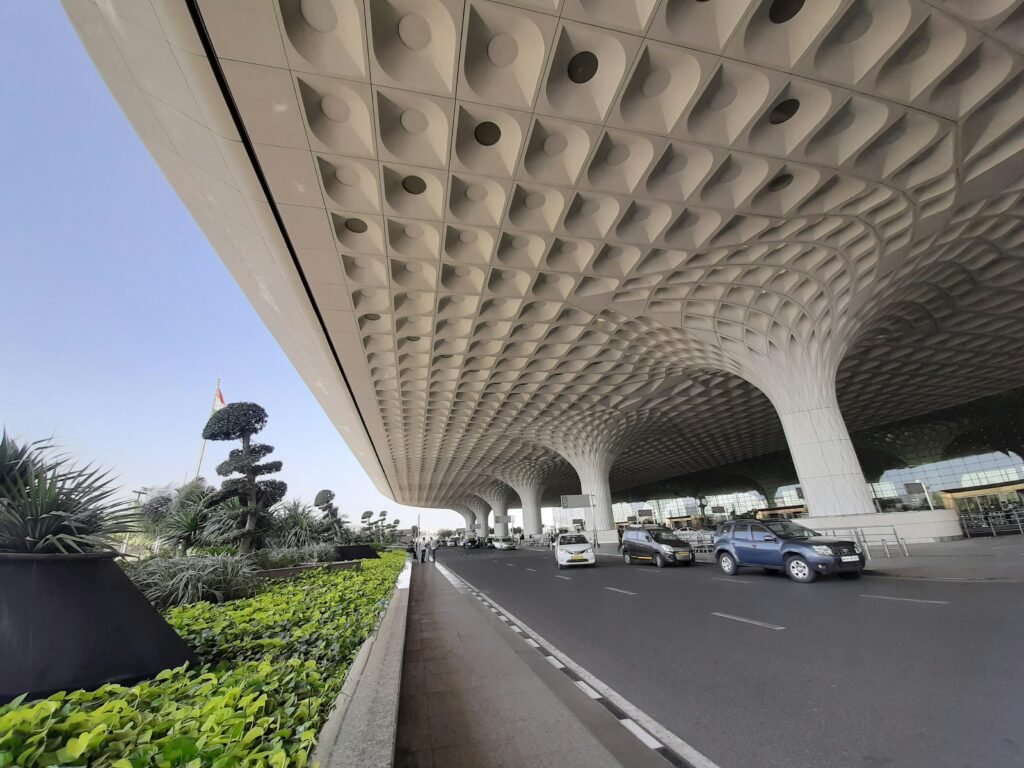
3. Chhatrapati Shivaji Maharaj International Airport (T2) – Mumbai
BIM’s Role:
🛫 Used for complex structural modeling of the terminal roof
📶 Integrated with IoT for smart airport management
♻️ Helped in designing an energy-efficient terminal with optimized daylighting
T2’s iconic peacock-inspired terminal was built with BIM-driven design, ensuring sustainability and passenger comfort.
4. Statue of Unity – Gujarat
BIM’s Role:
🗿 Created high-detail 3D models for fabrication
🏗️ Ensured clash-free coordination between steel framework and external cladding
🎥 Used for virtual simulation of construction sequences
At 182 meters, the Statue of Unity is the tallest statue in the world, designed using BIM to enhance precision and structural stability.
5. Surat Diamond Bourse – Gujarat
BIM’s Role:
💎 Used for MEP coordination in India’s largest office complex
📊 Helped in fire safety planning and emergency response simulations
🏢 Optimized natural ventilation and daylighting for sustainability
This world-class business hub for diamond traders, spanning 6.6 million sq. ft., used BIM for seamless planning and execution.
Conclusion: The Future of BIM in India
BIM is revolutionizing Indian architecture and infrastructure by ensuring:
✅ Cost and time savings
✅ Better design collaboration
✅ Sustainable and smart city planning
At Studio MH02, we specialize in BIM-driven architectural design and execution, ensuring that your projects meet global standards of efficiency and innovation.
Contact us today to integrate BIM into your projects and transform the way you design, build, and manage spaces!

Sorry, the comment form is closed at this time.