
06 Mar Interior Design vs Interior Decoration
Yes, these terms may sound incredibly similar. Many people even use them interchangeably!
But there’s a major difference between interior design and interior decoration and knowing it can save you from hiring the wrong professional for your project.
Read on to understand their distinct roles, where each applies, and how they shape spaces differently.
Many people assume interior design and interior decoration are the same thing.
While they do overlap in some ways, they are distinct fields that serve different purposes.
Introduction:
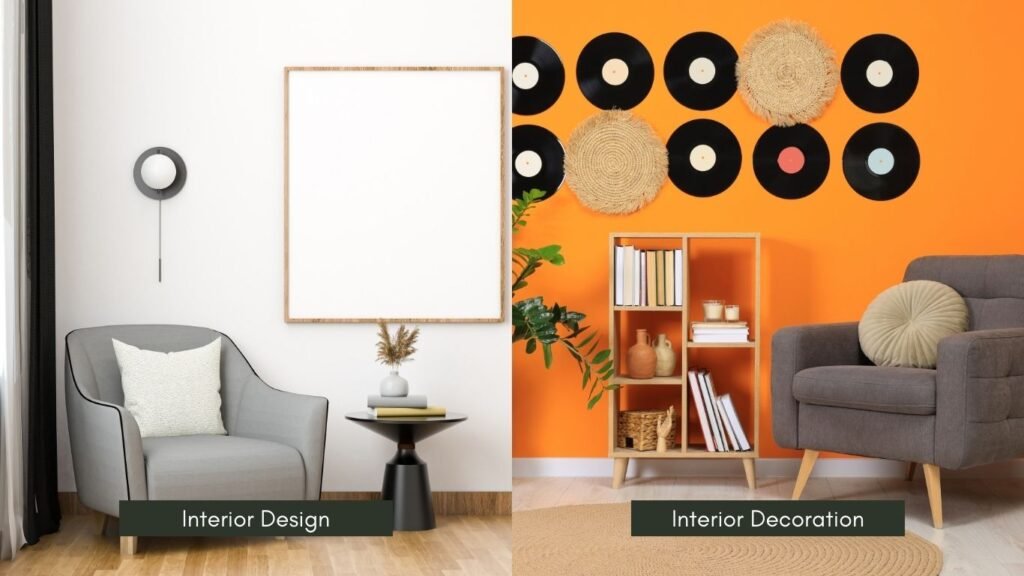
Interior designers focus on a space’s functionality, layout, and structural elements along with the aesthetics of a place, while interior decorators enhance aesthetics with furniture, colours, and accessories.
If you’re planning to renovate or decorate a space but aren’t sure which professional you need, this guide will help you understand the key differences.
Education & Licensing
The qualifications for interior designers and interior decorators are quite different.
While an interior designer requires formal education and technical training, an interior decorator does not need any specific degree.
Here’s what sets them apart:
Interior Designers:
✔ Formal Education – A degree or diploma in Interior Design, Architecture, or related fields (e.g., B.Arch, B.Des, Diploma in Interior Design).
✔ Technical Expertise – Training in software like AutoCAD, Revit, and BIM for space planning and execution.
✔ Certifications & Licensing – In some countries, designers need NCIDQ (National Council for Interior Design Qualification) certification or other regional licenses to work professionally.
✔ Construction Knowledge – Must understand building codes, fire safety regulations, and material science.
Interior Decorators:
✔ No Formal Education Required – Anyone with a good eye for aesthetics can become a decorator. However, short courses in colour theory, styling, and furniture selection can be beneficial.
✔ Focus on Visual Appeal – Specializes in furniture, colour palettes, accessories, and decor trends.
✔ No Licensing Needed – Unlike designers, decorators do not need permits or professional certifications.
✔ Hands-on Experience Matters – Many decorators build their reputation through projects, portfolios, and networking.
Who is Responsible for What?
Interior Designer Responsibilities:
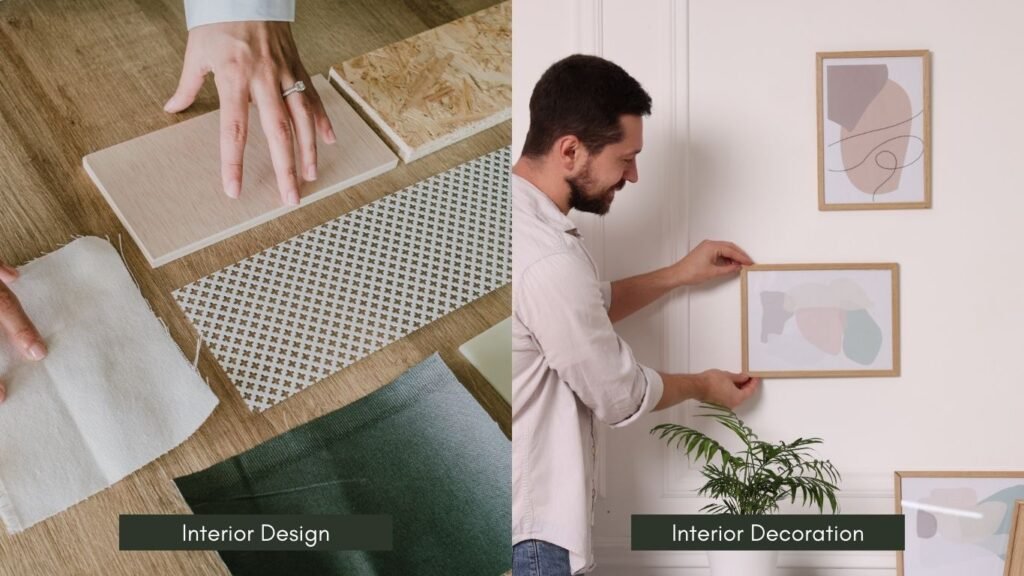
✅ Space Planning – Creating layouts that optimize functionality.
✅ Structural Modifications – Deciding if walls need to be removed or added.
✅ Material Selection – Choosing flooring, cabinetry, and wall finishes.
✅ Lighting & Ergonomics – Ensuring comfortable and efficient use of space.
✅ Technical Drawings & 3D Models – Using software like AutoCAD and Revit for planning.
✅ Collaboration with Architects & Engineers – Ensuring the design is structurally sound.
Interior Decorator Responsibilities:
✅ Furniture & Accessories – Selecting sofas, curtains, and decor items.
✅ Color Coordination – Choosing wall colours, wallpaper, and textures.
✅ Soft Furnishings & Styling – Arranging rugs, cushions, and decorative pieces.
✅ Seasonal & Temporary Decor – Event setups, home staging, and showroom decor.
✅ Enhancing Visual Appeal – Decoration is about aesthetics.
How to Decide Who to Hire?
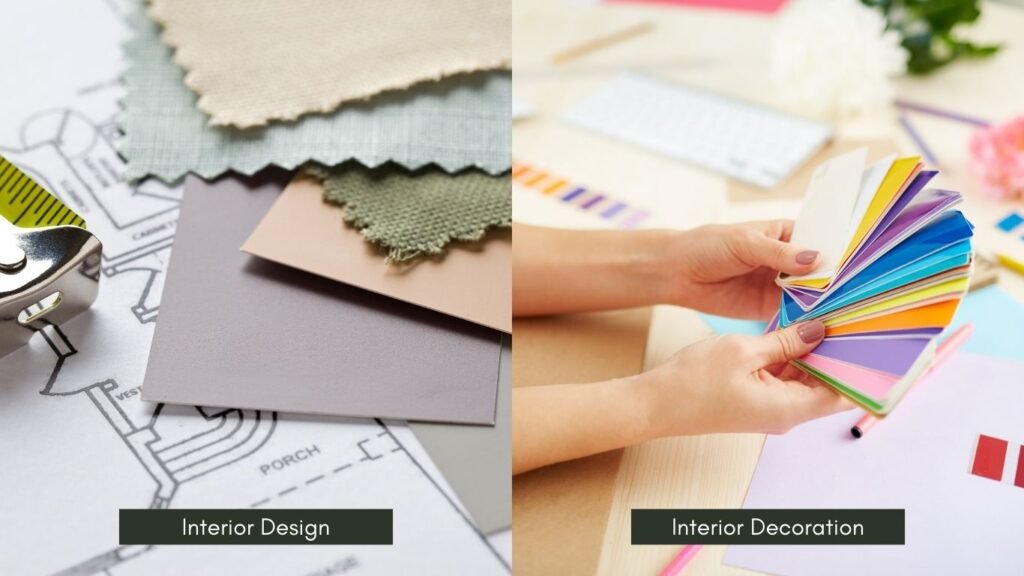
If your project involves structural changes, space planning, or technical execution, you need an interior designer.
They ensure the space is functional, safe, and well-integrated with architectural elements.
On the other hand, if the structure is already set and you just want to enhance its visual appeal, an interior decorator is the right choice.
They focus on selecting furniture, colours, and accessories to create a cohesive look.

No Comments